10. Dog Stew
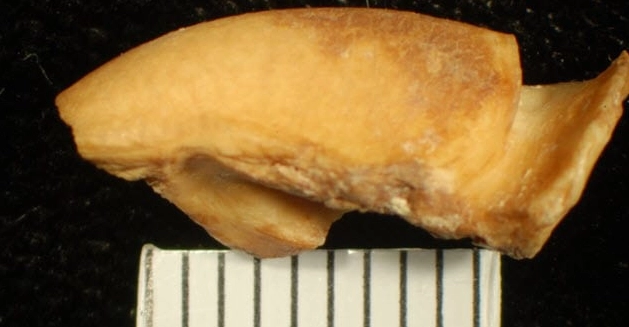
Coprolites, fossilized feces, provide valuable insights into ancient diets. One such sample from Texas's Hinds Cave contains a 9,400-year-old fragment from a domesticated dog's skull, not a wild canid. This indicates that dogs, long companions and guardians, were also a food source in the past.The dog likely resembled a short-nosed Native American breed, weighing around 13.6kg. Such a size would have provided a substantial meal 10,000 years ago. However, dogs were probably not consumed daily. Ethnographic evidence suggests prehistoric people primarily ate them during famines or celebratory feasts, often prepared as a hearty stew.
9. Fish Fermented In Pine Bark And Boar Skin
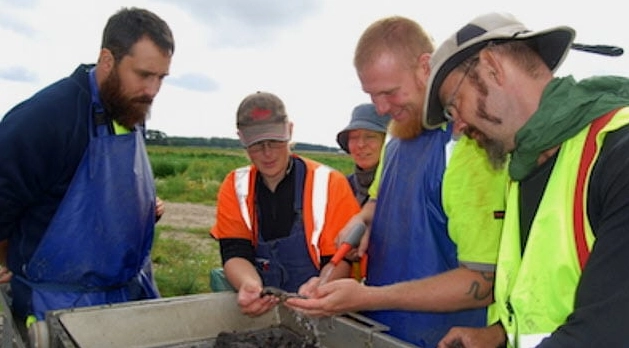 Fish bones degrade much faster than the sturdy bones of land animals, making ancient seafood diets difficult to trace. Yet a 9,200-year-old site in Blekinge, Sweden, defies this trend with a staggering 30,000 fish bones per square meter—evidence of a remarkably pungent fermentation practice. To preserve fish, people filled seal and boar skins with fish, coated them in pine bark and seal fat, and buried the fermenting bundles.
This fermentation site highlights an important societal shift: Northern communities began settling down around the same time as those in the Fertile Crescent. Despite the harsh method—even by Nordic standards of fermented sea life—this ingenuity in a cold climate allowed early societies to store food without modern preservatives and establish more permanent settlements.
8. Crocodile And Hippo
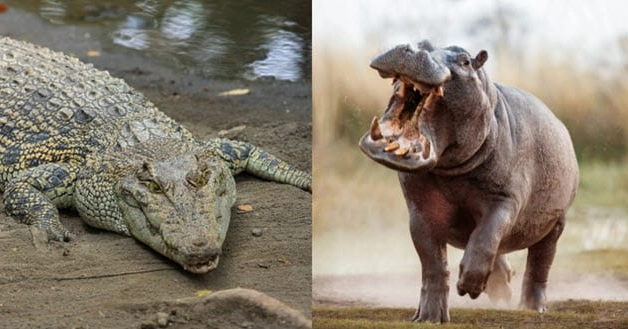 We often credit our large Homo sapien brains to eating flame-cooked mammoth meat, but brain growth may have equally relied on nutrients and calorie-rich fats from turtles, crocodiles, and hippos. A remarkably preserved 1.95-million-year-old site in Kenya reveals a far wetter, marshier landscape, shown through extinct plant fossils. This environment likely shaped our ancestors' diet and survival strategies.
Animal teeth from the same period show traces of microscopic plants, proving early humans consumed grass-fed meat—eaten raw at that time. Targeting swamp creatures was strategic: swamps offered safer hunting grounds than grasslands and savannas, which were filled with large feline predators and hyenas. Thus, marsh habitats provided not only key nutrients but also a safer alternative for early human development.
7. Stomach Contents Of Animals
 Our ancestors often consumed unappealing foods out of necessity, with chyme—the partially digested stomach contents of animals—possibly among the least palatable. Evidence from 50,000-year-old Neanderthal dental plaque shows traces of bitter plants like yarrow and chamomile, which researchers suggest entered their diet via animal stomachs. This practice avoided waste and provided extra calories after a hunt.
{ads-4}
This concept of utilizing animal stomach contents persists in some cultures today. For example, Greenlandic Inuits occasionally eat reindeer stomachs as a delicacy, and Indigenous Australians sometimes consume kangaroo chyme. These traditions reflect a historical adaptation to scarcity, where no part of a kill was discarded.
6. Flour
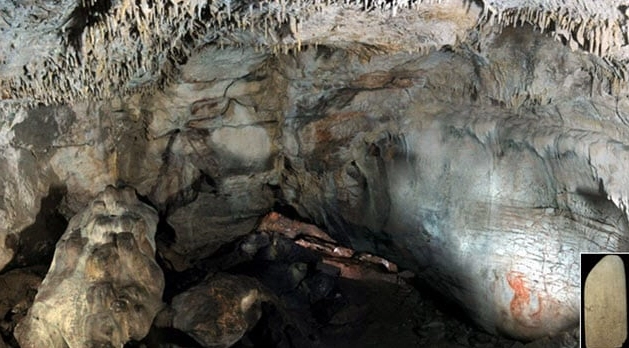 Flour was supposedly invented to feed expanding agricultural civilizations, but it actually dates back at least 32,000 years. In Italy's Grotta Paglicci cave, Paleolithic Gravettian people ground plants into heartier, less perishable foods—thousands of years before farming emerged.
{ads-5}
The Gravettians, skilled cave painters and toolmakers, used a dual-purpose pestle and grinder: a hand-sized stone with a pointed end to crack seeds and a flat side to grind them. Residue analysis revealed starches from wild oats, prehistoric millet, and acorns, proving their early mastery of flour production.
5. Deep-Sea Fish (Tuna)
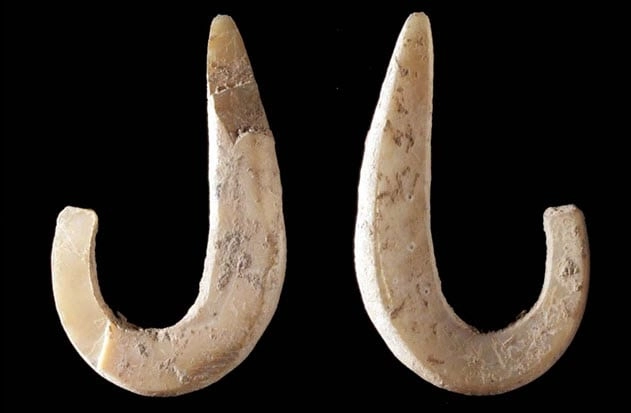 Contrary to the image of primitive cave-dwellers, humans 50,000 years ago possessed advanced maritime skills. They not only crossed deep seas to reach Australia but also enjoyed a rich diet, including fish that are highly valuable today. Evidence from a shelter in Jerimalai, East Timor, includes 38,000 fish bones from 42,000 years ago. Over half belonged to pelagic species like tuna and parrotfish, proving early open-sea fishing.
{ads-6}
The discovery of shell fishhooks, the oldest dating between 16,000–23,000 years, radically rewrites fishing history, as the previous oldest known hook was only 5,500 years old. Catching agile tuna required rafts and sophisticated tools like nets or strong hooks. These findings showcase the remarkable seafaring and technological capabilities of our early ancestors.
4. Porridge
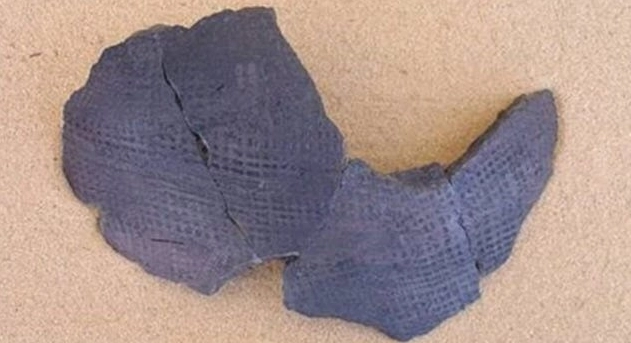 When meat was scarce, our ancestors 10,000 years ago adopted a surprisingly non-Paleo solution: they gathered available starches and cooked them into preagricultural porridge. This was made possible by a crucial innovation—the heat-resistant cooking pot, which allowed for the creation of semiliquid foods without shattering.
{ads-7}
These durable pots revolutionized food preparation in multiple ways. Scraps and foraged items could be transformed into soups or stews. Residues found in Saharan pottery indicate the cooking of plants, which not only prolonged their shelf life but also softened fibrous or toxic ingredients, making them safe and palatable through simmering.
3. Loads Of Roasted Sweet Potatoes
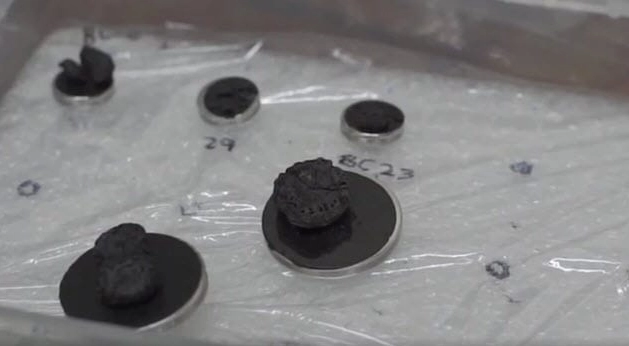 In South Africa's Border Cave, Paleolithic people were roasting and eating sweet potatoes over 170,000 years ago—the oldest roasted starches ever found. Charred samples reveal these ancient Hypoxis tubers could be eaten raw, but cooking made them easier to digest and released more calories, much like modern sweet potatoes.
{ads-8}
Today's Hypoxis angustifolia offers about 120 calories per 100 grams and grows year-round across Africa in dense clumps, providing a reliable, efficient food source. This supported ancient migrations and contributed to a diet rich in starch rather than meat, as evidenced by plant remains in the region.
2. Rabbits
 A large kill like a mammoth could sustain Neanderthals for days, but relying solely on such hunts risked starvation. They thus adapted by learning to build traps to catch plentiful small prey like rabbits. At sites in France dating back 400,000 years, rabbit remains comprised 80-90% of animal bones, with some long bones deliberately broken to extract marrow.
{ads-9}
This reveals unexpected cleverness and adaptability. Rabbit hunting required traps or snares—an innovation previously credited to modern humans—demanding strategic thinking over brute strength. It was once considered a key reason modern humans outlasted Neanderthals, yet this evidence shows Neanderthals mastered such advanced hunting techniques long before.
1. Juniper-Roasted Escargot
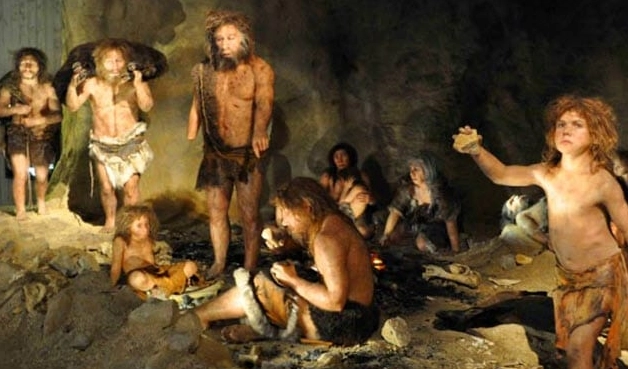 Ancient humans occasionally hunted woolly rhinos, but safer survival strategies centered on less dangerous prey. Over 30,000 years ago, Spanish Homo sapiens became the first known humans to eat escargot, consuming Iberus alonensis land snails during the Pleistocene-Holocene transition.
{ads-10}
At Spain's Cova de la Barriada cave, scientists discovered 30,000-year-old snail remnants—10,000 years older than previous Mediterranean findings. These early snails were cooked like a delicacy over juniper embers at high heat, around 375°C (707°F).